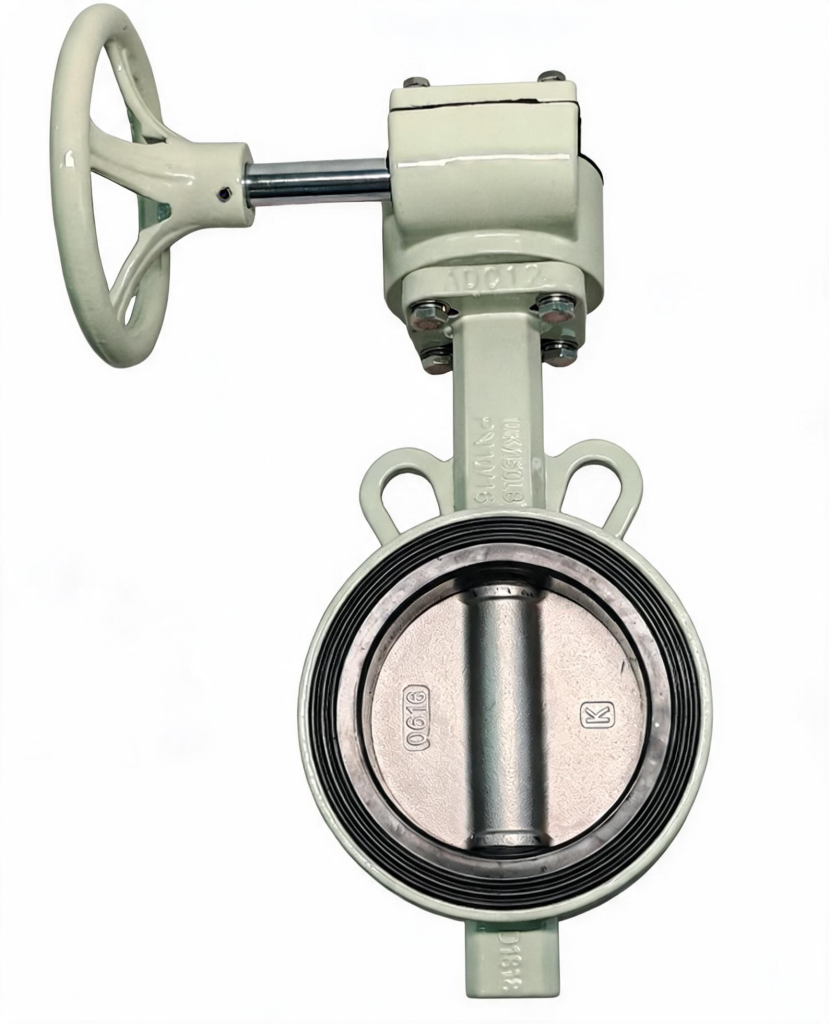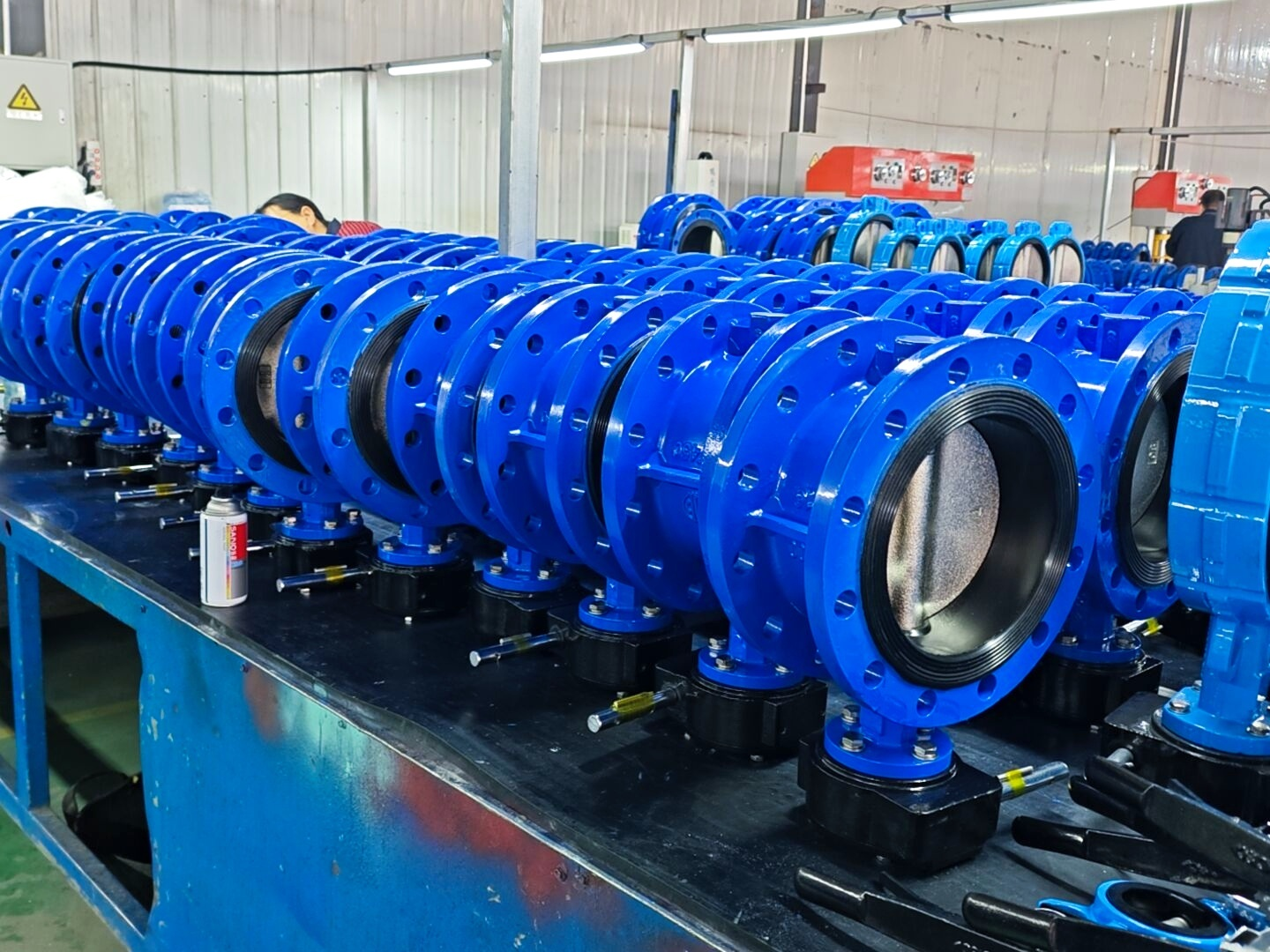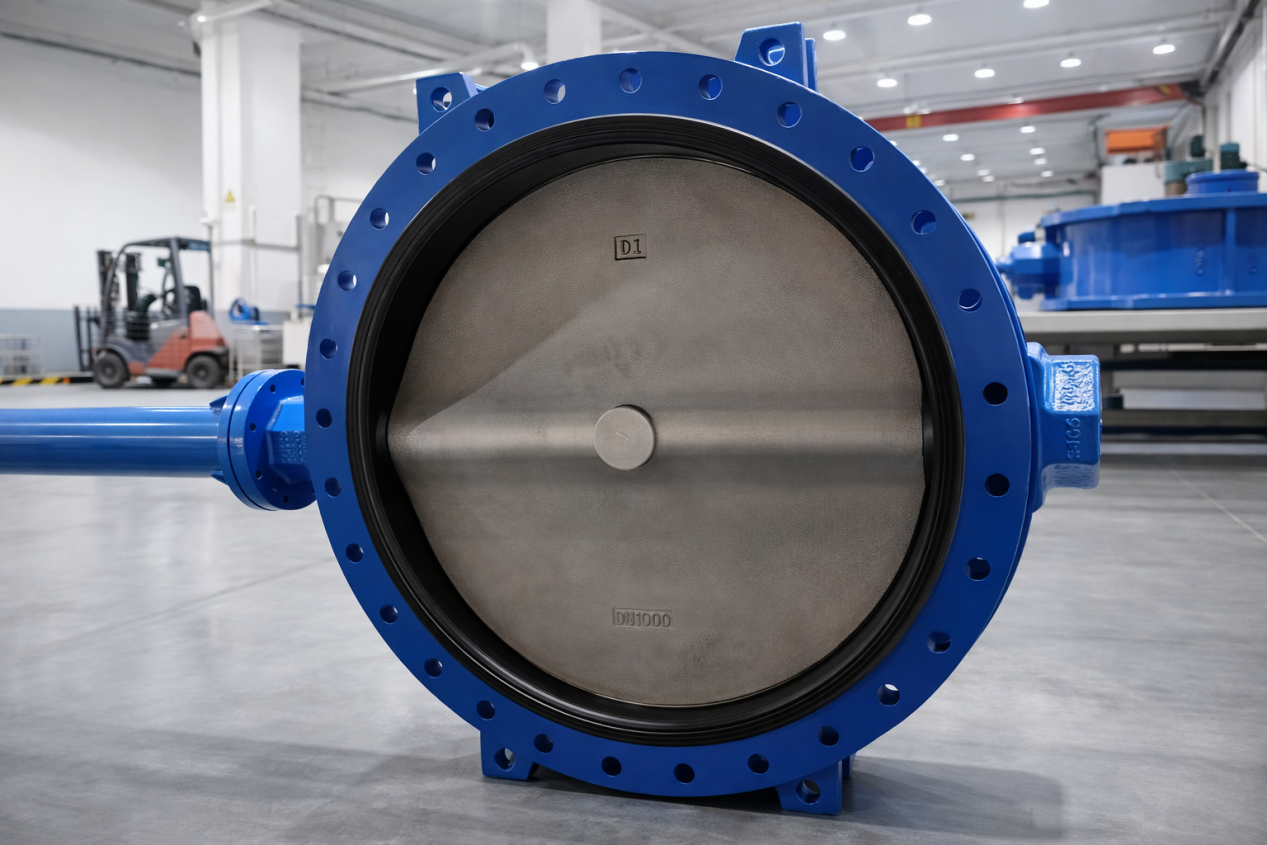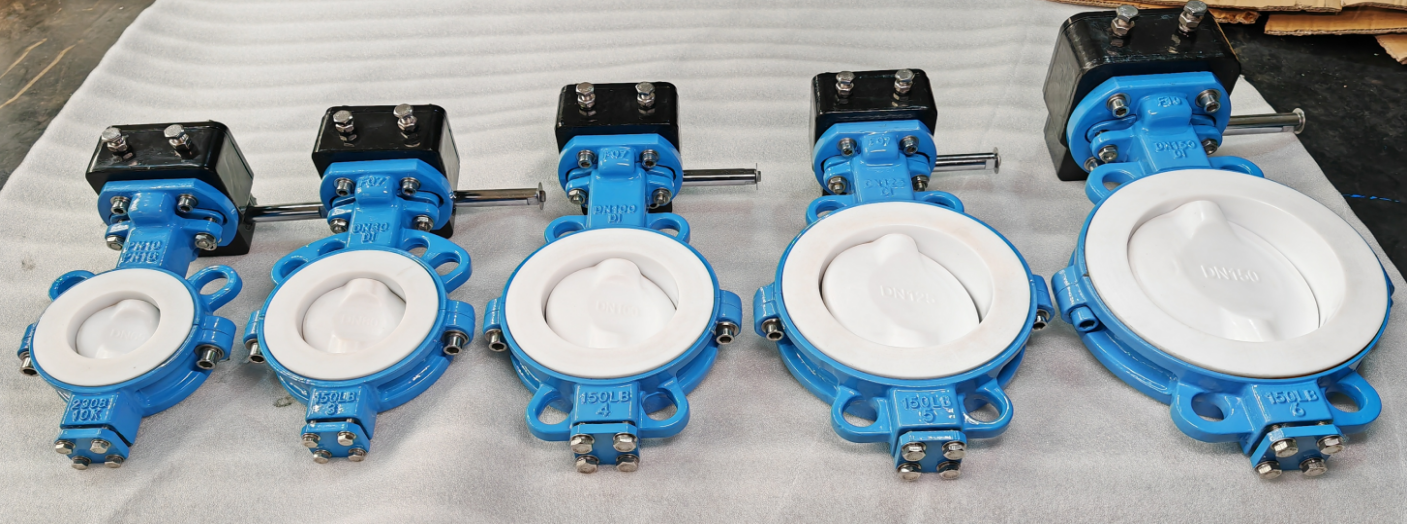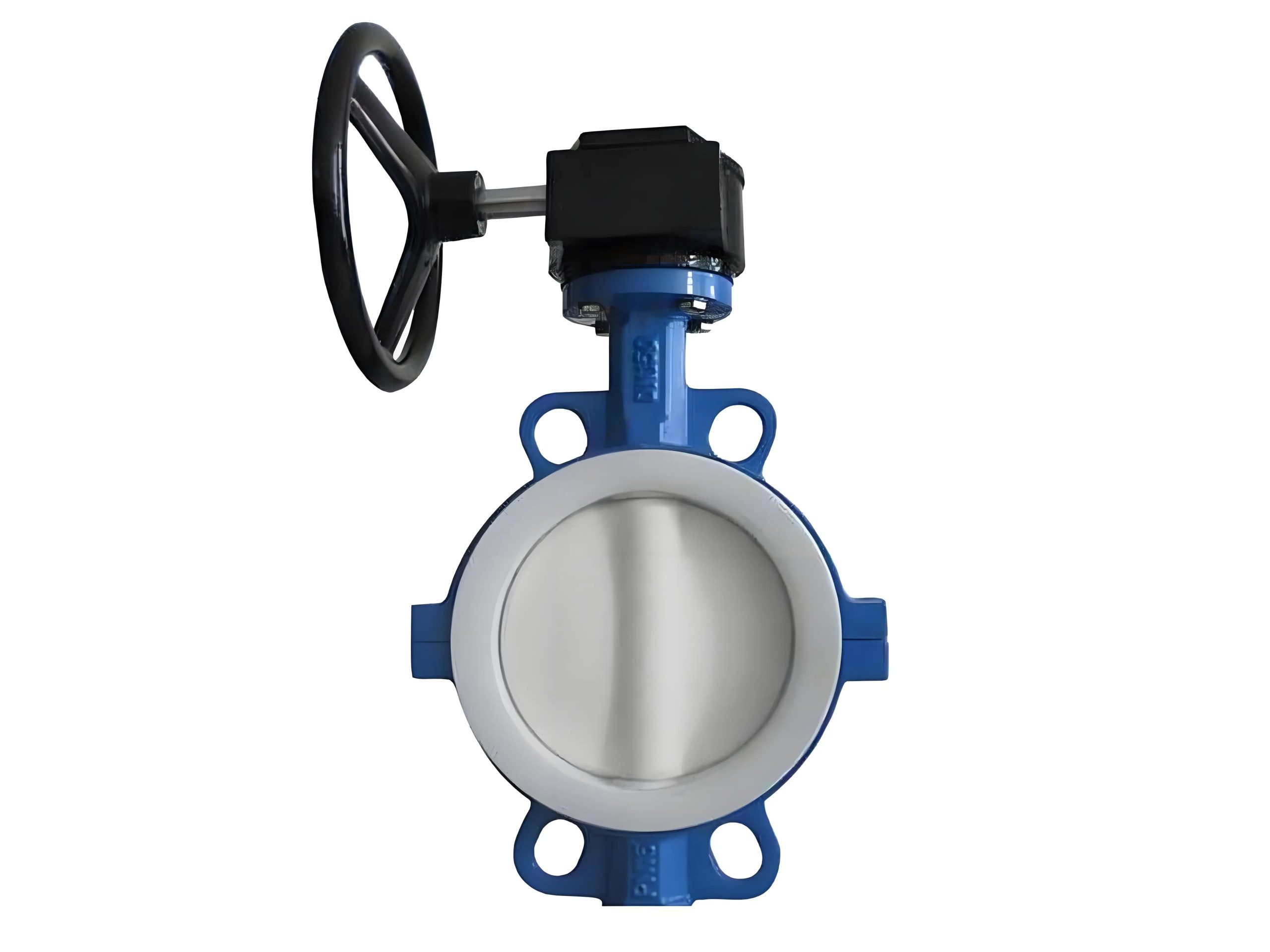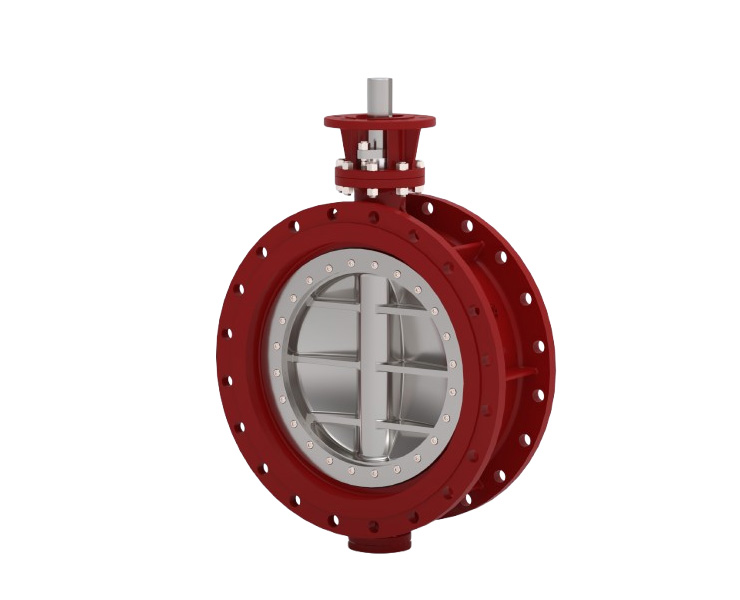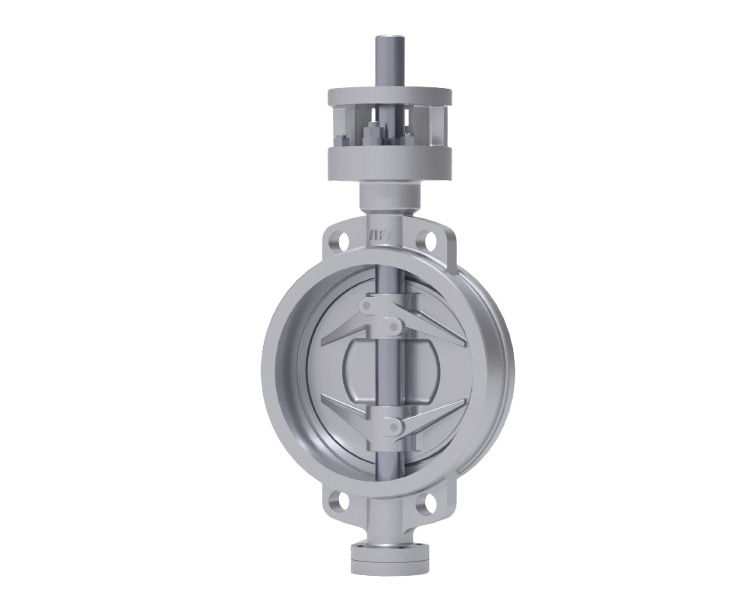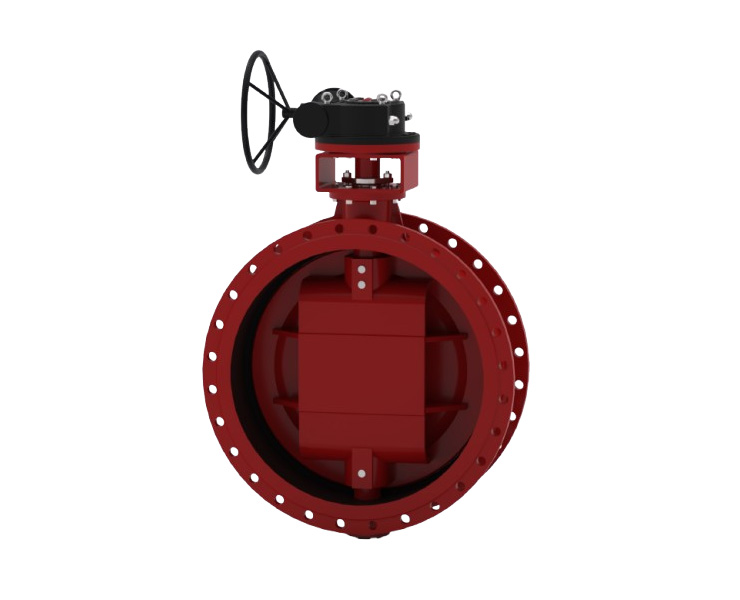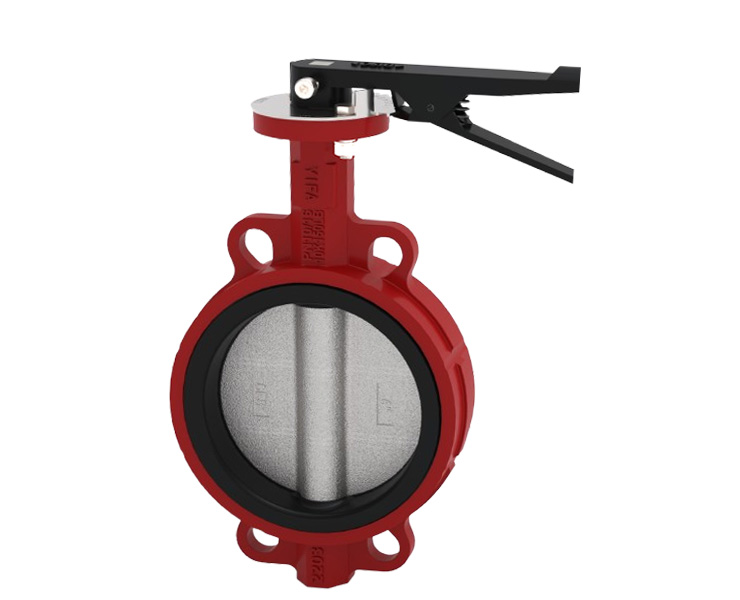
The aluminum wafer butterfly valve is a lightweight, anti-condensation, and preferred center-line soft-seal butterfly valve for medium and low pressure, normal temperature applications. The valve body is made of die-cast aluminum alloy with a wafer-type installation, weighing only about 1/3 of cast iron. It has low operating torque and is economical.
- Basic Structure and Models of YIFA Aluminum Butterfly Valves
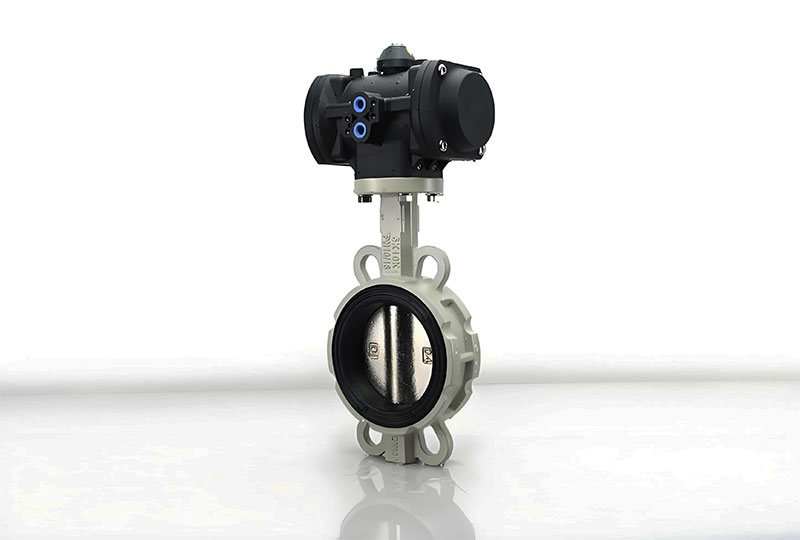
Models: D71X-10/16L (handle), D671X (pneumatic), D971X (electric)
Connection: Wafer type
Material: Valve body ADC12 aluminum alloy; Valve disc 304/316 stainless steel; Valve seat EPDM/NBR
Diameter: DN40~DN300
Pressure: PN10/PN16
Temperature: NBR≤80℃, EPDM≤120℃
2.Core Features
- Ultra-light weight: 50%~70% lighter than cast iron, easier installation, and lower pipeline load.
- Anti-condensation: Aluminum alloy has low thermal conductivity, preventing condensation on the valve body and protecting the insulation layer and ceiling.
- Corrosion resistance: The natural oxide film is resistant to water, air, and neutral media, superior to cast iron.
- Low torque: Pinless butterfly plate + spherical polishing ensures smooth operation and can be fitted with small actuators.
- Economical and compact: The wafer-type design saves on flange costs, has a short axial dimension, and is space-friendly.
3.Applicable Operating Conditions (Recommended)
HVAC: Chilled water/hot water, fresh air, dust removal ducts (most commonly used).
Water Supply and Drainage: Circulating water, irrigation, low-pressure tap water (≤16bar, ≤80℃).
Mixing Plants/Building Materials: Admixtures, powders, sewage pipelines.
Light Industry/Food: Pure water, weak acids and alkalis, air, neutral slurries.
4.How to Choose a Suitable Aluminum Alloy Butterfly Valve?
- Diameter/Pressure: DN40–300, PN10/16, ambient temperature≤80℃
- Medium: EPDM for water/air; NBR for oil.
- Actuation: Manual select handle; pneumatic/electric select pneumatic for remote control; pneumatic for explosion-proof.
- Flange Standard: Complies with GB, ANSI, and JIS standards; bolt length = pipe flange thickness + valve thickness.
5.Installation and Maintenance
Installation: Bidirectional flow, no direction; tighten bolts evenly diagonally to avoid valve body deformation.
Maintenance: Regularly check valve seat seals; pinless structure requires no maintenance; keep in a semi-open position if not in use for extended periods.