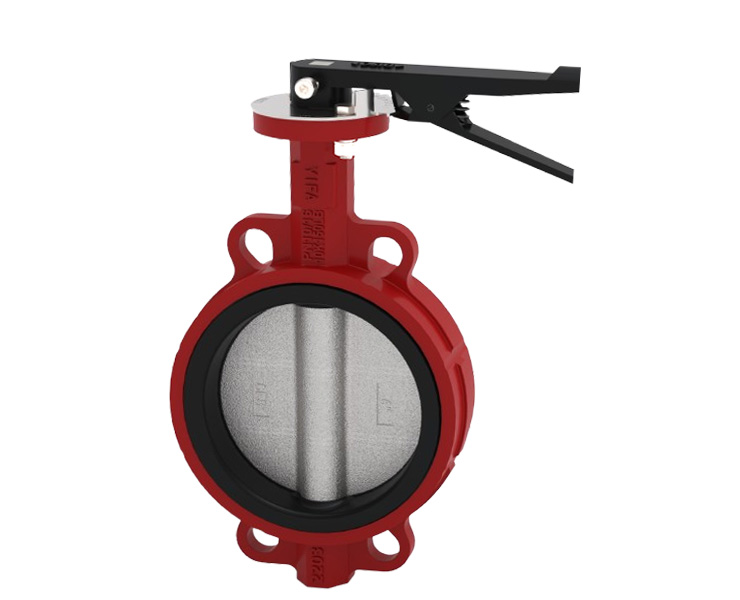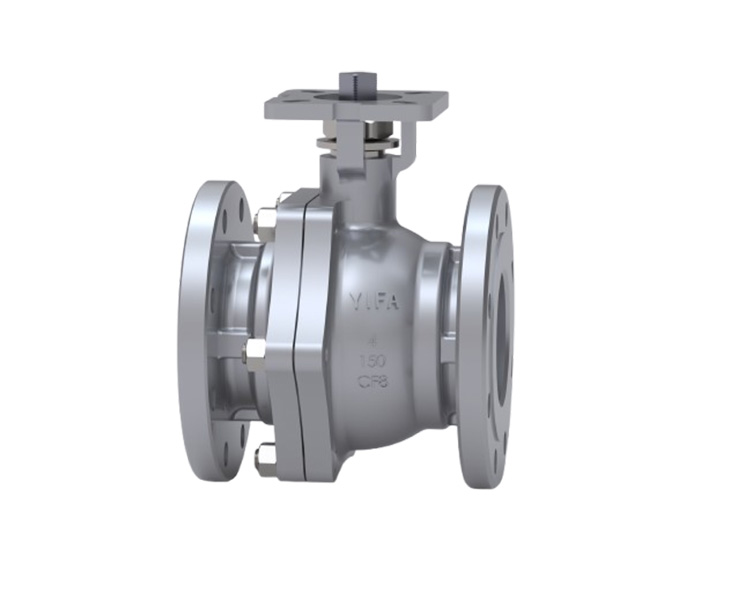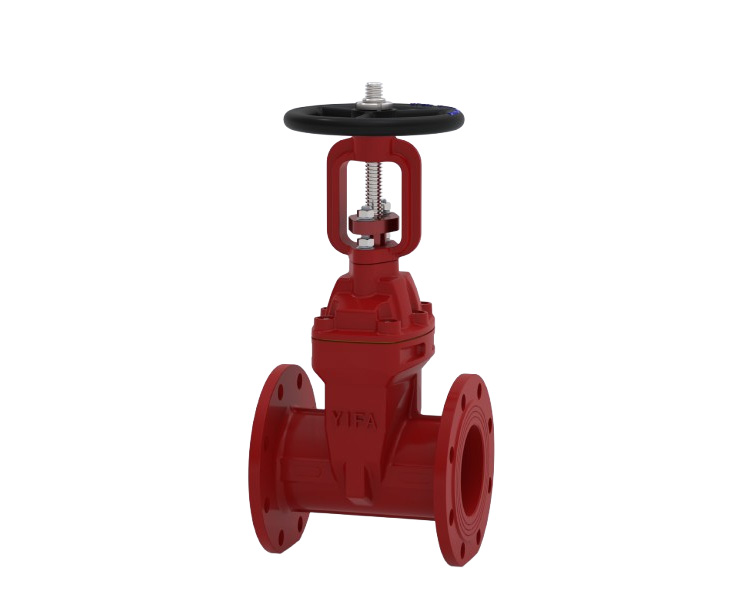
Selecting the right valve material is the most important factor in ensuring your piping system stays safe and reliable. Choosing the wrong material doesn’t just lead to leaks
—It can lead to expensive downtime.
Here is a simple 3-step guide to help you make the right choice.
- Match the Material to Your Medium
Think of the material as the “armor” of the valve. It needs to withstand whatever is flowing through it:
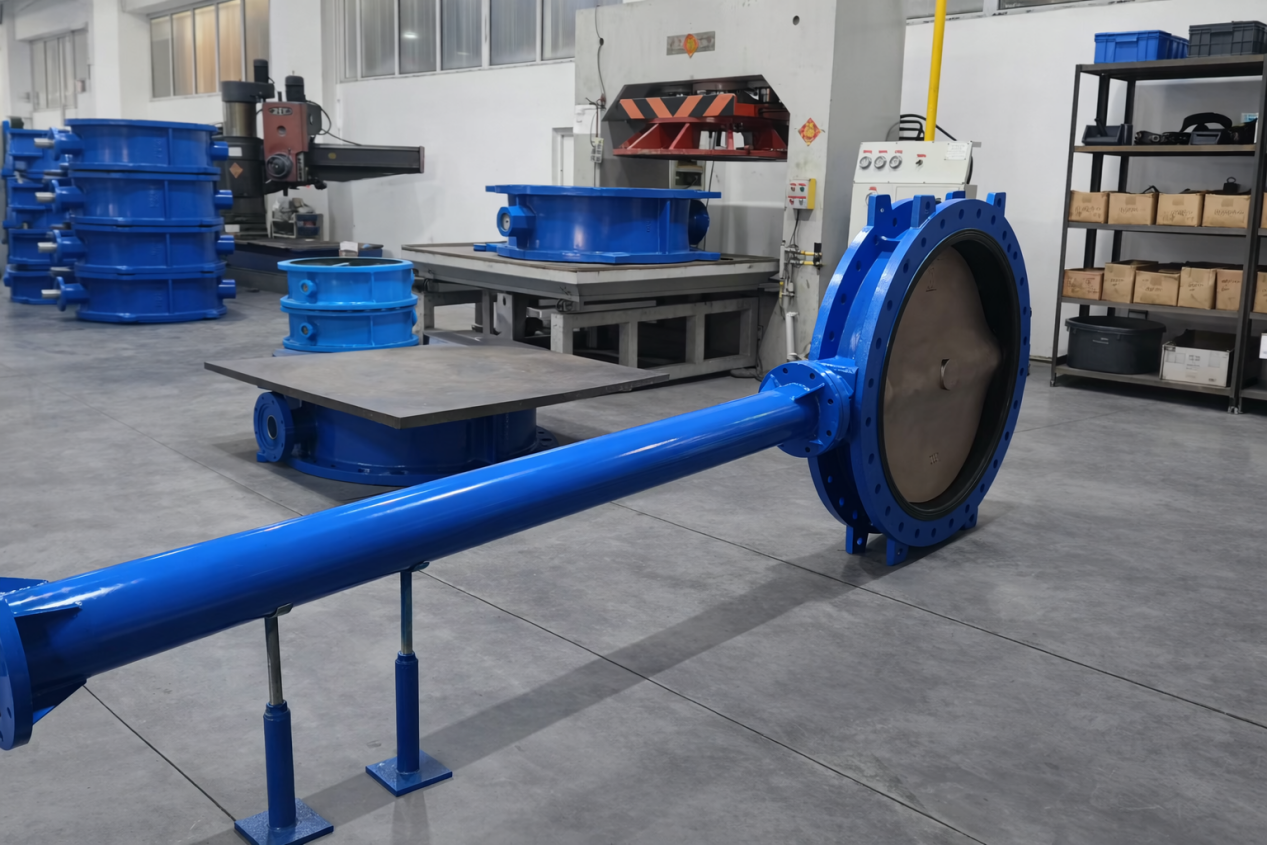
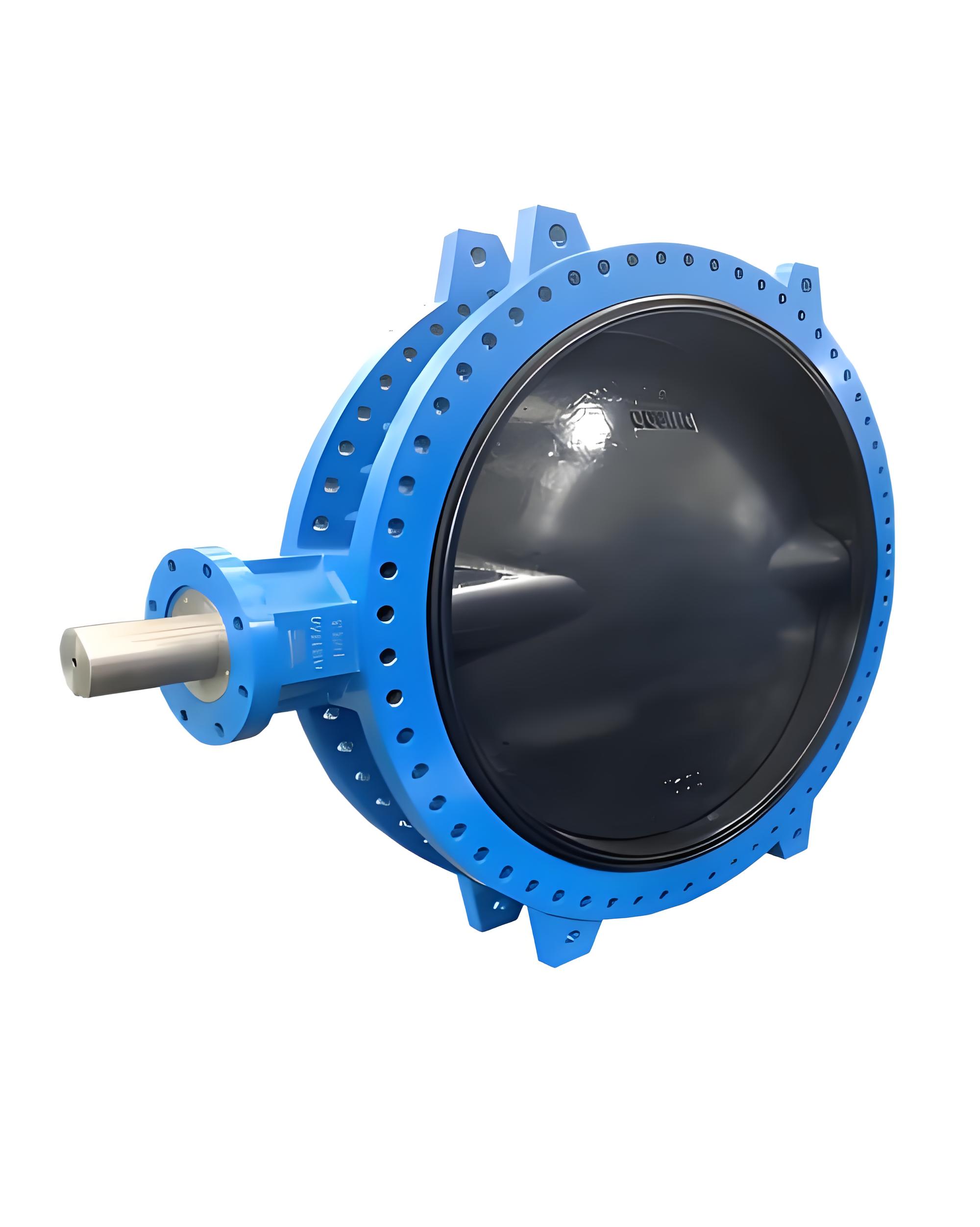
For Water or Air: Carbon Steel or Cast Iron is usually the most cost-effective and reliable choice.
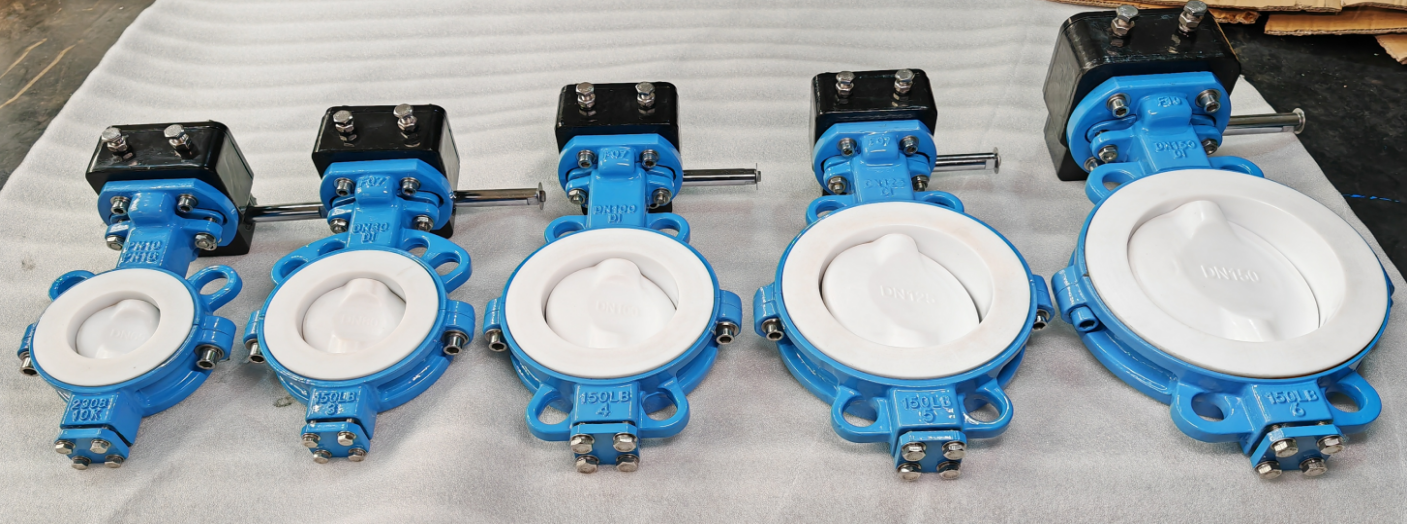
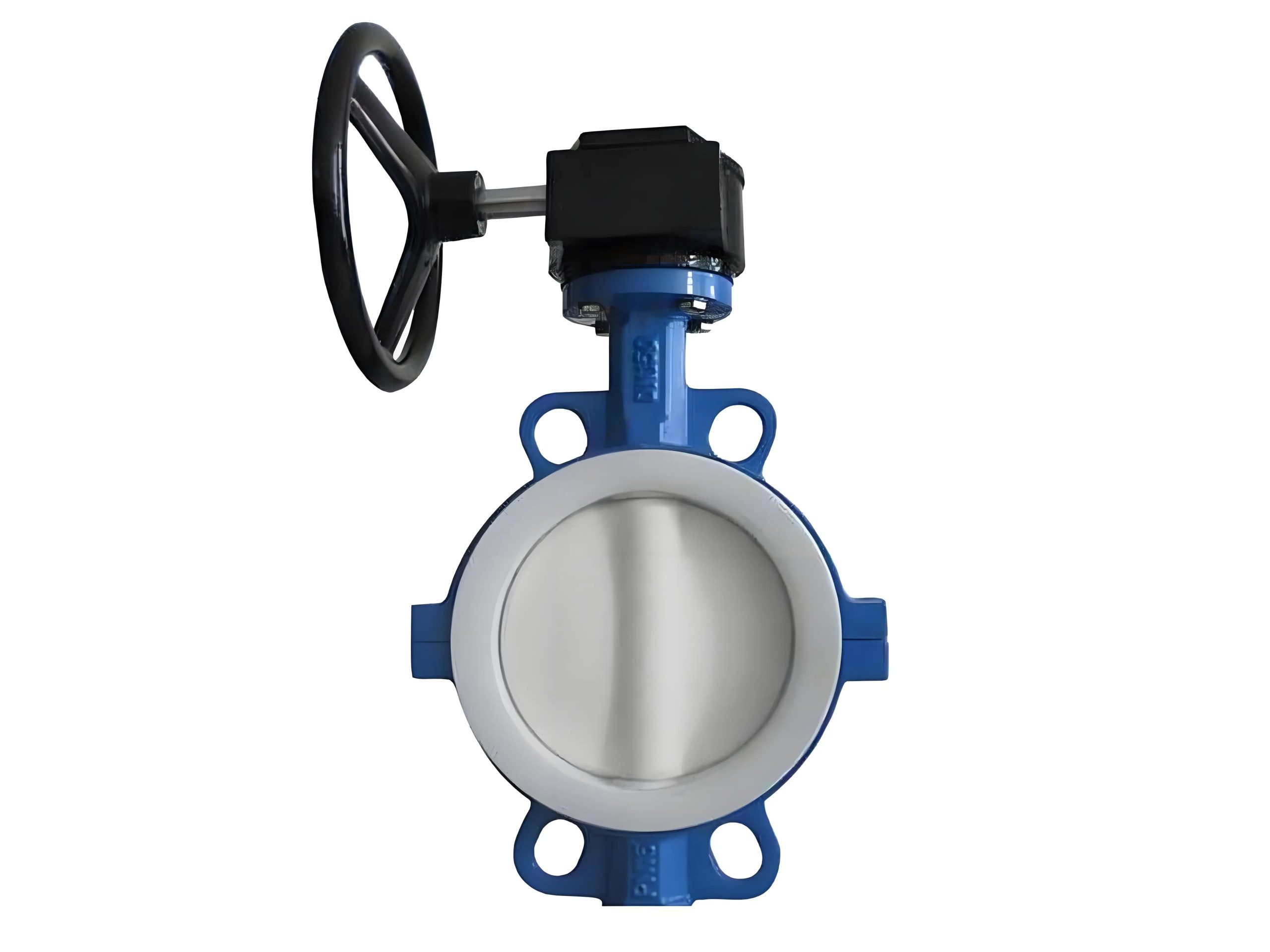
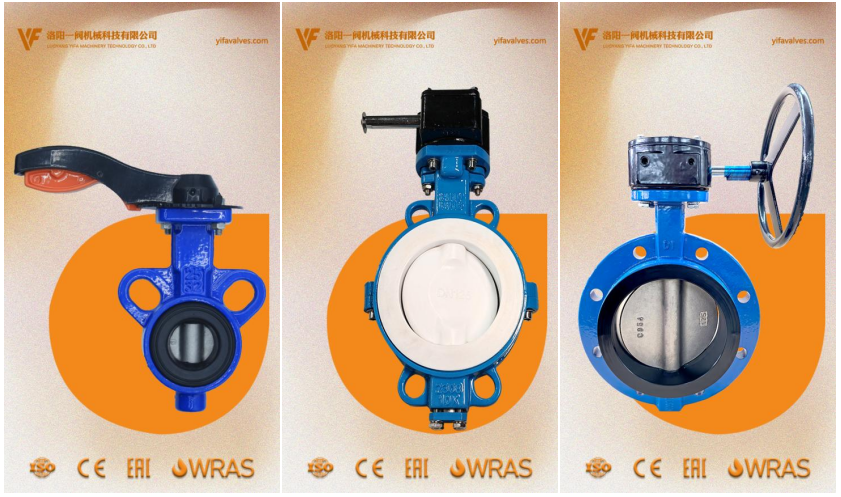
For Corrosive Media (Acids, Alkalis, Brine): You need the protection of Stainless Steel or PTFE-lined valves to prevent rust and erosion.
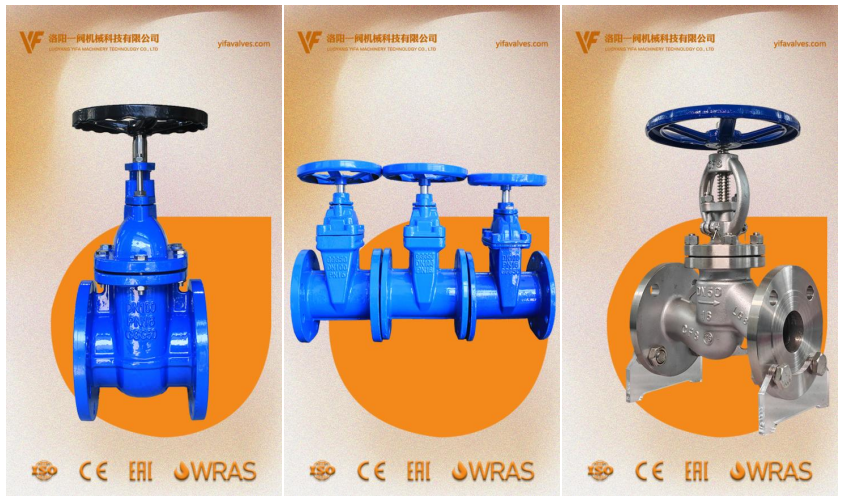
2.Don’t Forget Temperature & Pressure
The “body” of the valve is only half the story. You must also check the “Sealing Material”:
Low Temp: Rubber seals are affordable and effective.
NBR is oil-resistant, but its temperature can only reach 82°C.
EPDM is not oil-resistant, but its temperature can reach 120°C.
High Temp/High Pressure: Switch to PTFE or Metal-to-Metal seats. Using rubber in high-heat environments is the #1 cause of seal failure.
3.Top 3 Mistakes to Avoid
Buying on Price Alone: A cheaper valve often costs 3x more in maintenance and replacement parts later.
Ignoring the “Insides”: Many buyers match the valve body to the pipe but forget that the internal seals might not handle the chemicals.
Ignoring Fluctuations: Always choose a material that can handle your peak pressure, not just your average operating pressure.
Why Work With Us?
As professional valve factory, YIFA VALVE believe in “Right Material, First Time”. We don’t just sell valves; we provide solutions that lower your long-term operational costs.
Not sure which material fits your project? [Contact our Engineering Team today] for a free technical consultation and a customized material selection report.