Valves are essential components in fluid control systems, playing a crucial role in regulating the flow of liquids and gases across various industries.
What Are Valves and Why Are They Important?
At their core, valves are devices that control the movement of fluids by opening, closing, or partially restricting the flow. They serve several key functions, including:
- Starting or stopping the flow of liquids and gases
- Regulating pressure within a system
- Preventing backflow to protect equipment and maintain efficiency
- Directing fluid movement in complex pipelines
Common Types of Valves and Their Uses
Understanding the different types of valves is essential for selecting the right one for a specific application. Here’s a look at some of the most common valve types:
1. Ball Valves
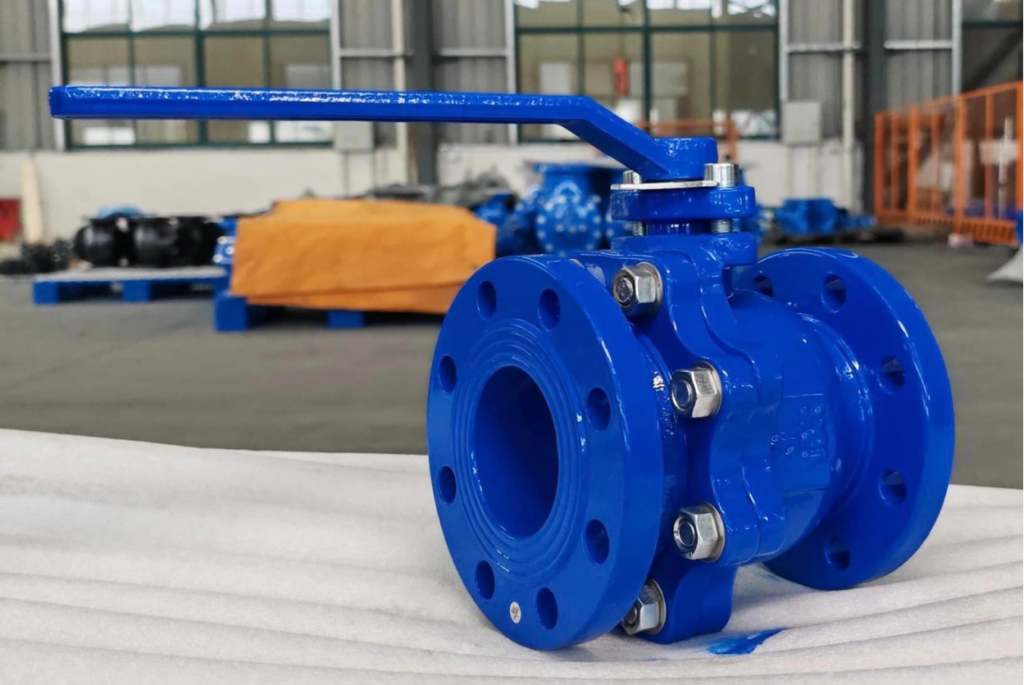
Ball valves feature a rotating sphere with a hole in the center. When aligned with the pipeline, the valve is open, allowing unrestricted flow. Rotating it 90°closes the valve, creating a tight seal.
Best for: Quick shut-off applications, high-pressure systems, and industrial fluid control
Common uses: Residential plumbing, chemical processing, and commercial pipelines
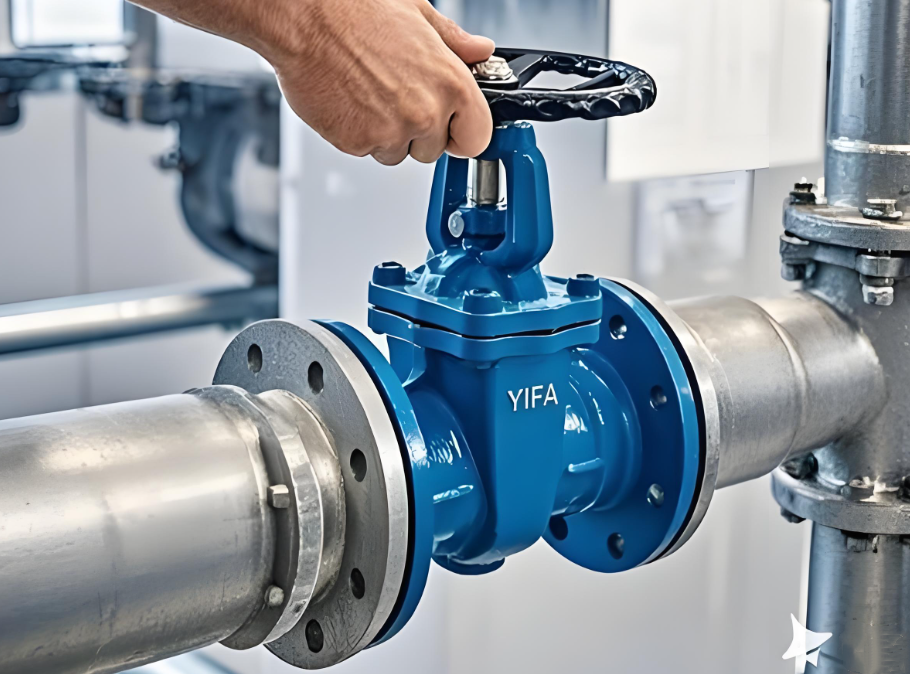
2. Gate Valves
Gate valves use a flat or wedge-shaped gate to start or stop flow. Unlike ball valves, they are not designed for partial flow regulation.
Best for: Systems requiring full open or closed positions
Common uses: Water supply lines, fire protection systems, and large-scale irrigation
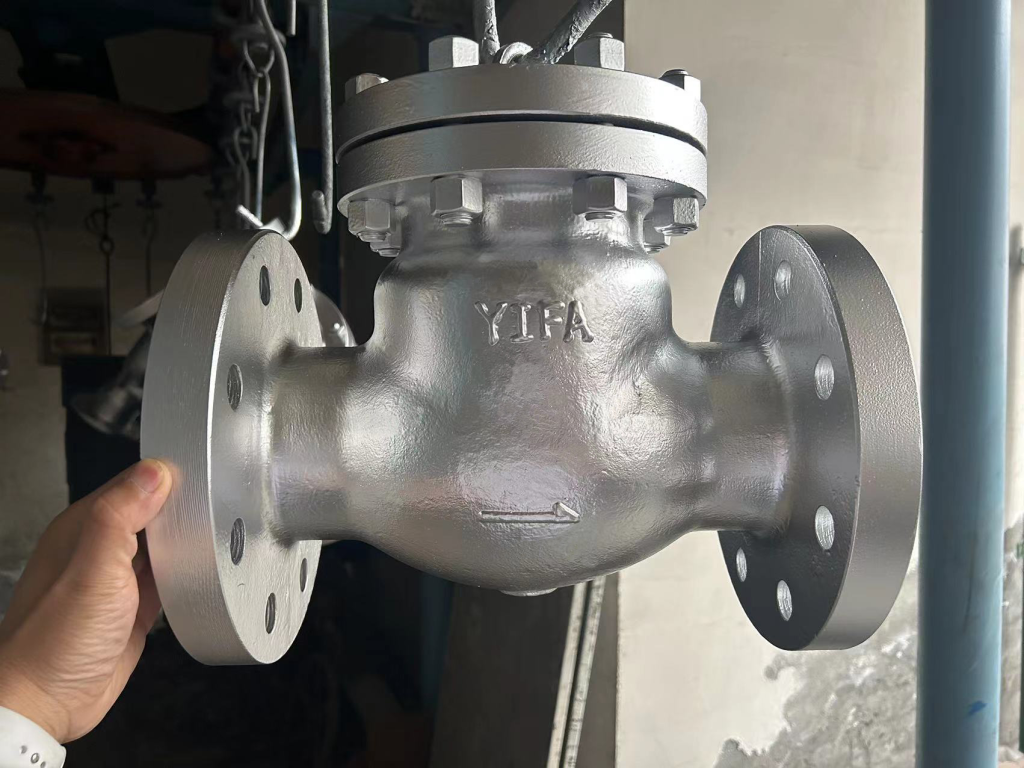
3. Check Valves
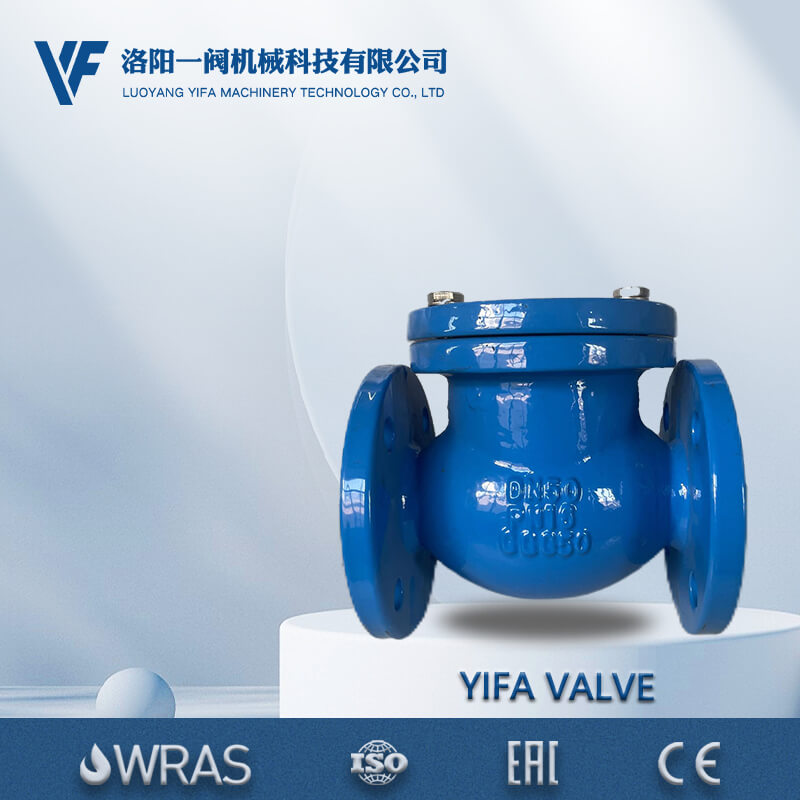
These valves ensure fluid flows in only one direction, preventing backflow that could damage equipment or contaminate fluids.
Best for: Protecting pumps and preventing system contamination
Common uses: Wastewater treatment, irrigation, and heating systems
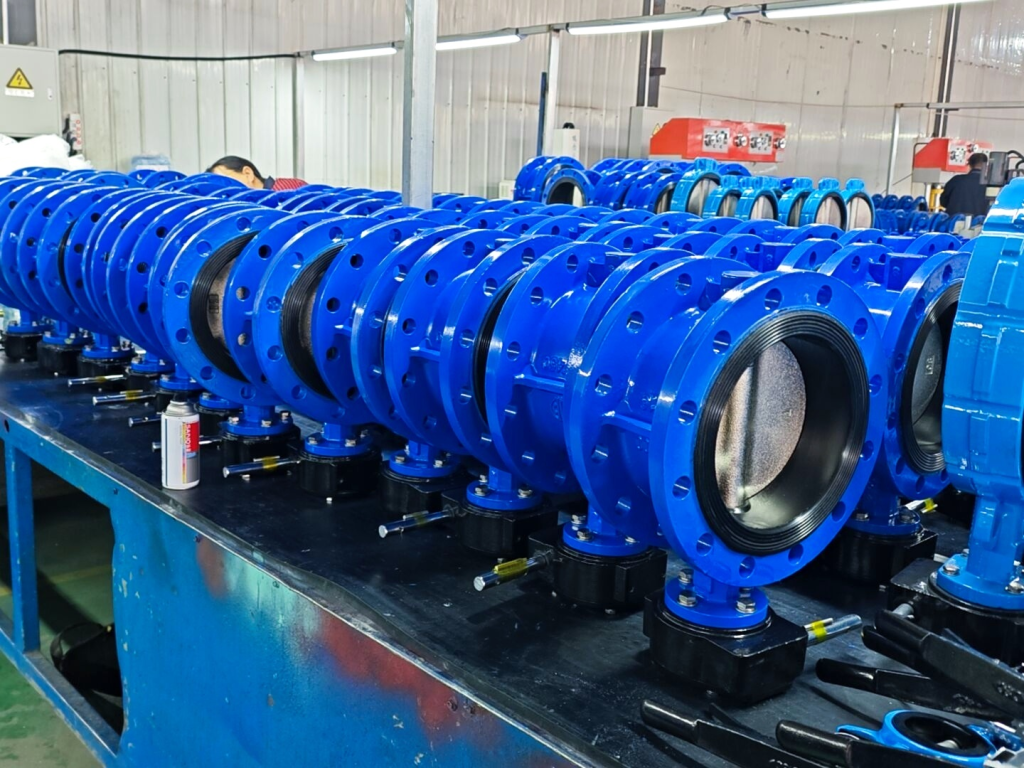
4. Butterfly Valves
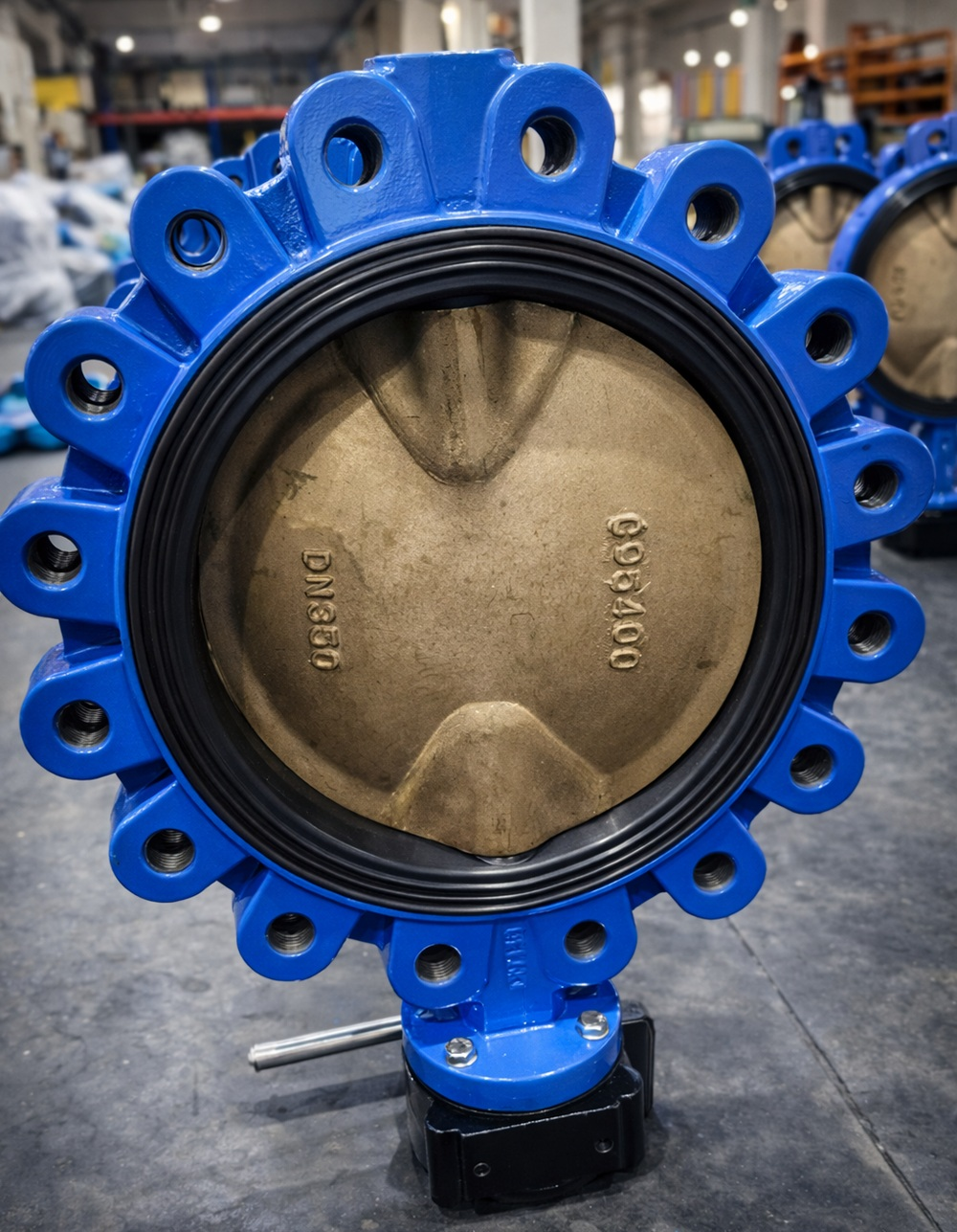
Butterfly valves have a rotating disc that controls fluid flow by turning 90° within the pipeline. They provide effective flow regulation with minimal space requirements.
Best for: High-flow applications and tight spaces
Common uses: Water treatment plants, HVAC systems, and large industrial pipelines
Installing and Maintaining Valves for Optimal Performance
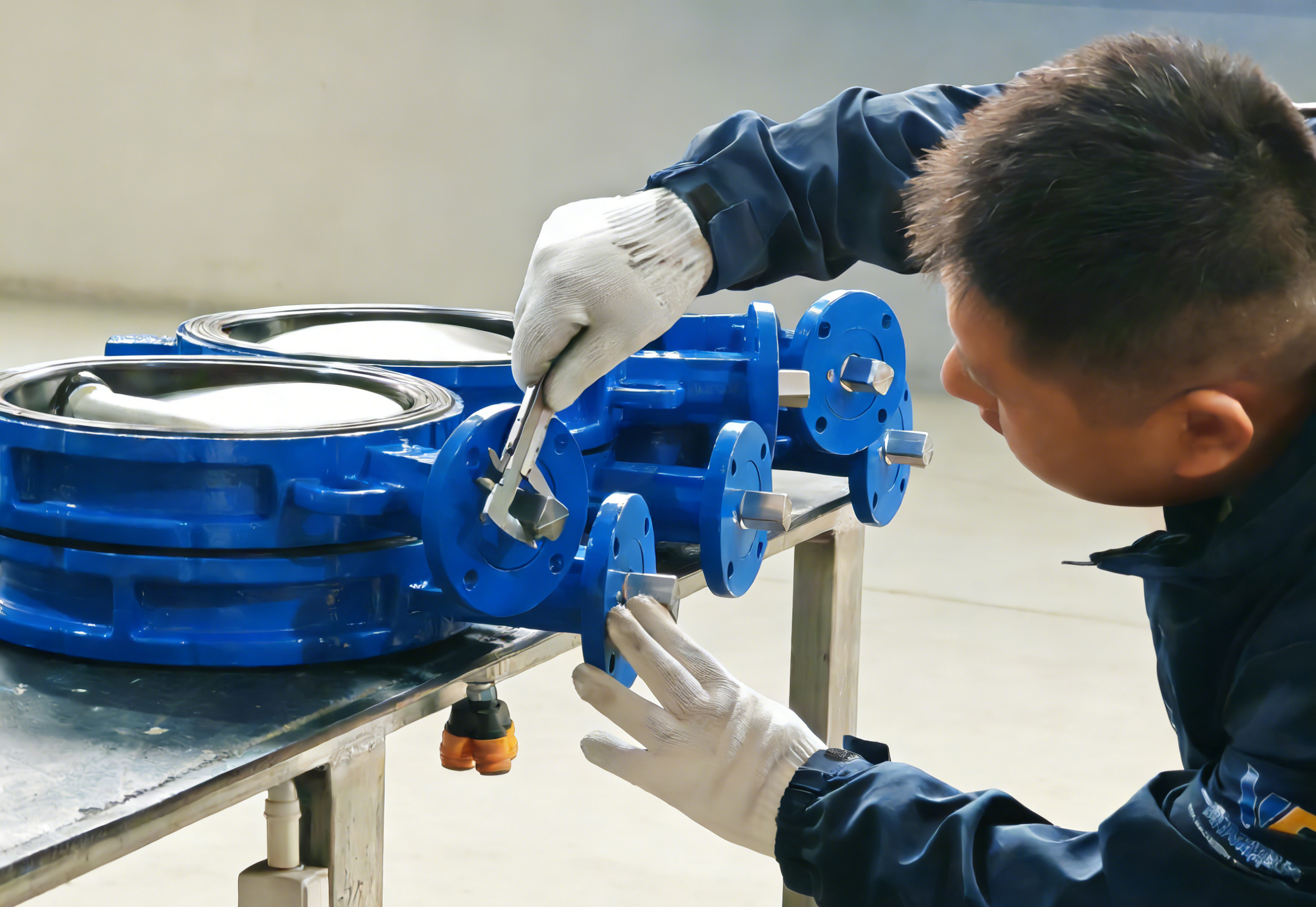
Proper installation and maintenance are crucial for ensuring the longevity and reliability of valves. Here are some best practices:
Installation Tips:
- Inspect Before Installation: Check for visible defects or damage.
- Align with Flow Direction: Ensure the valve is positioned correctly according to its markings.
- Hand-Tighten First: This prevents cross-threading and potential damage.
- Use a Wrench for Final Tightening: Avoid over-tightening, which can lead to leaks.
- Test the Valve: Operate it a few times to confirm smooth functionality.
Maintenance Best Practices:
- Regular Inspections: Check for leaks, corrosion, or worn components.
- Replace Worn Parts: Seats and seals should be replaced if leakage occurs.
- Flush the System Periodically: This prevents debris buildup that could affect performance.
Final Thoughts
Valves are a vital part of fluid control systems. Whether you’re working with a simple household plumbing system or a complex industrial pipeline, understanding the different valve types and how to maintain them can save time, money, and resources in the long run.
YIFA VALVE is a company specializing in the research, production, and sales of valves. We are committed to providing customers with solutions for valves and other fluid equipment. Contact us for more information!